
Forensic Non-Clinical Training
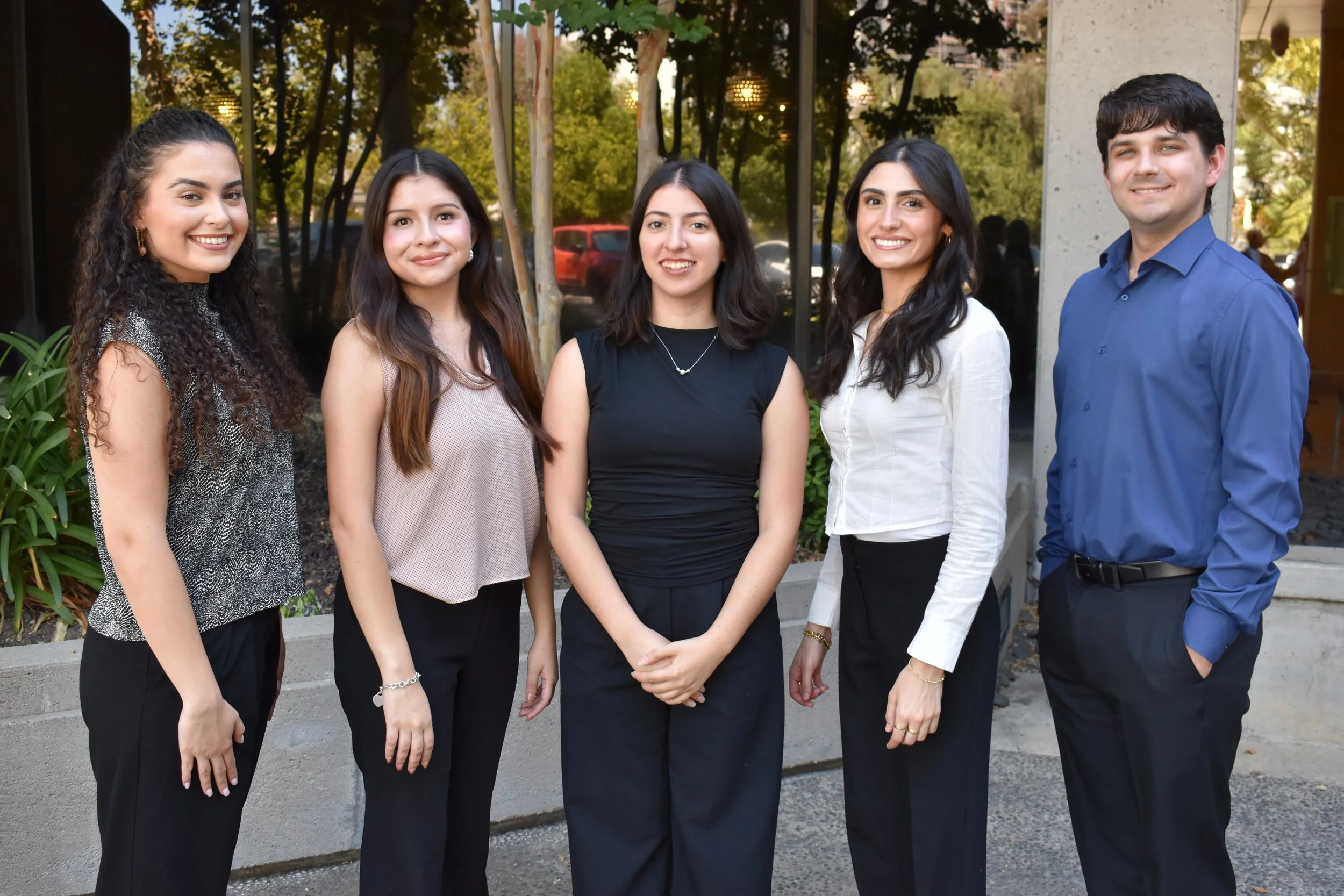
Psychometrist Trainees 2025/2026
SCNPG has two general ‘tracks’ for graduate training: 1) Graduate level clinical training (practicum/graduate level and higher), and 2) Forensic non-clinical training (undergraduate and bachelor degree level).
As part of the non-clinical training program students will receive supervision and training around administration and scoring of psychological and neuropsychological measures. Trainees will also get to participate in didactic presentations, case discussions, and group supervision along with the graduate clinical trainees. Our clinic has historically trained and successfully incorporated bachelor-level trainees into our practice as psychometrists, alongside practicum-level doctoral students in clinical psychology programs.
We provide access to all didactic material, lectures and activities for both tracks; however, expectations in regards to performance and commitment to the SCNPG program rise according to the student’s education status. Undergraduate students are expected to actively participate in training sessions, observation of assessments conducted by clinical staff, and develop skills around administering and scoring assessments. Each trainee will be evaluated based on their developmental and educational level, completing quarterly evaluations with the training coordinators to assess their progress and training needs. The goal is to work toward functioning as a psychometrist; identifying a testing battery, successfully administering identified tests, scoring and creating a graph of all data, and putting together a draft of the completed report, including all test results. All test interpretations and diagnoses will be reviewed and finalized by doctoral clinical staff.
Students will have the opportunity to observe and work with clinical staff at various levels in their education, pre- and post-doctoral. Although students may not engage in clinical tasks, they will be able to observe clinical intakes and feedback sessions when available.
Preferred applicants are hard-working, conscientious, open to constructive feedback, have strong organizational skills and are passionate about learning clinical neuropsychology as a practice. We are committed to offering the training necessary to foster competent and confident providers in this field.
For more information regarding our non-clinical psychology training program, please consult the relevant sections of our training handbook listed in the drop-down menu above. You may also email the training coordinators at (info@socalnpg.com) regarding any questions.
If you are interested in applying for our training, please send the following directly to our training program via email at info@SocalNPG.com.
Applications for training are open annually from November 1st through January 31st, with a final submission deadline of January 31 at 11:59 PM. All applications must be submitted within this timeframe. Early and late applications will not be accepted. Interviews will be conducted throughout the month of February, and official decision emails will be sent by March 15.
Required Application Materials for Non-Clinical Trainees:
Updated CV
Cover Letter
2 Letters of Recommendation
Writing Sample (preferably from a psychology course, may include research methods)
Applicants who are deemed as good candidates will be invited for an interview. We conduct a two-step interview process; the first being a one hour in-person interview with one of the training coordinators or supervisors, and the second being a 30 minute in-person interview with Dr. Conover. Accommodations may only be made under special circumstances and require approval from the training team.
The training program operates on a 12-month contract from August 1 to July 31 of the following year, with an official start date no sooner than August 1. Accommodations may only be made under special circumstances and require approval from the training team as well as discussion with the director of clinical training at the respective academic institution.